Who develops brand identity for SaaS companies? (And what it actually costs)
 Jun 13,2026
If you’ve started googling this, you’ve probably noticed the answers don’t line up. One site tells you to hire an agency. Another swears by freelancers. A third says just build it in-house once you’re big enough. The truth is that “branding” isn’t one service, it’s a category, and the right provider depends entirely on where your SaaS company is right now.
This guide breaks down the actual options on the table, what each one realistically costs, and how to choose without wasting six months and five figures on the wrong fit.
What “brand identity” actually means for a SaaS company ?
Brand identity gets used as a catch-all term, and that’s part of why this search is confusing. At its core, brand identity for a SaaS company covers four things: a logo and visual mark, a broader visual system (colors, typography, UI components, imagery style), brand guidelines that keep everything consistent as your team grows, and sometimes messaging or positioning work that defines how you talk about your product.
Here’s the distinction that matters. A logo is an asset. A brand identity is a system. And the gap between the two isn’t cosmetic: consistent branding can increase revenue by up to 33%, according to research from Lucidpress. If you only get the logo, you’re going to be improvising every time you need a pitch deck, a landing page, or a new feature announcement. A complete system removes that improvisation.
The 4 types of providers SaaS founders typically consider
Before comparing, one thing worth saying upfront: none of these options is inherently bad. Each one genuinely makes sense in the right context. The problem is picking the wrong one for your current stage, not that any of them are traps.
- Freelancers: the advantage is obvious: price and speed of access. You can find someone and have a logo back within days, sometimes for $50. But here’s the part that matters specifically for founders: trust. You’re handing brand assets, to someone you’ve never worked with and have no real way to vet beyond a portfolio and some reviews. There’s no structured process, no guarantee the deliverables will form a cohesive system rather than a one-off file, and if the person goes quiet after delivery (which happens more often than people expect), there’s no one to call when you need a variation six months later. For a founder already juggling fifty things, that uncertainty is its own cost, even when the price tag looks small.
- Traditional branding agencies: Their strength is genuine: a structured process, strategic depth, a full team (strategists, designers, account managers) working through discovery, positioning, and execution. If you need deep competitive positioning and messaging architecture, this is where that work happens properly. The tradeoff is what you’d expect from that much firepower: cost and time. Projects typically run $5,000 to $50,000+ and stretch across 8 to 14 weeks for strategy and visual identity alone. For an early-stage founder trying to launch, that’s a lot of runway for what might still amount to a logo and a style guide at the end of it.
- In-house hires: the advantage here is context. A designer who’s embedded in your team understands the product, can iterate constantly on social content, UI updates, and campaigns, and doesn’t need onboarding for every new request.The catch is sequencing. Hiring someone in-house to build your brand identity before you have a brand to maintain is backwards. You’d be paying a salary to build something a specialist could deliver in days. In-house only earns its cost once there’s ongoing design work to justify the role.
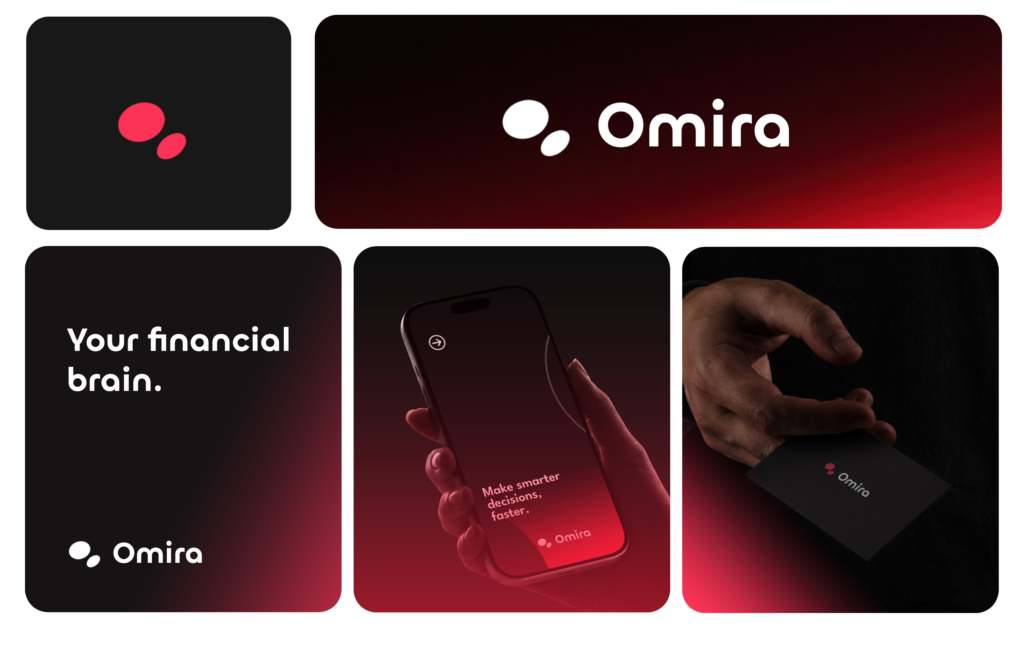
- Specialized brand identity studios: it sits in the gap between an unpredictable freelancer and an agency that’s overkill for your stage. The advantage is structure without the overhead. You get a defined process, a cohesive deliverable, and someone accountable for the result, without paying for a strategy team you don’t need yet. Studios like Brandframer focus exclusively on identity systems, not retainers or months-long discovery phases. That focus is what lets them move fast and price accordingly, while still giving you the reliability that a freelancer can’t promise.
Brand identity for SaaS companies: what it actually costs ?
Here’s the real range you’ll encounter. Freelancers: $50 to $500, though often missing guidelines or a cohesive system. Traditional agencies: $5,000 to $50,000+, with timelines measured in months. In-house designers: $4,000 to $8,000+ per month in salary, before you’ve shipped anything.
And then there’s the middle ground that didn’t really exist a few years ago: specialized identity studios working at founder-friendly prices and speed. Brandframer’s three tiers run $280, $480, and $987, covering everything from a core visual identity to a full 360° brand system, delivered in 48 hours. That’s not a typo. Not 48 days. Hours.
When to hire which type of provider ?
Think about this in terms of stage, budget, and urgency, not just price.
If you’re pre-launch or just past it, with a working product and no real budget for a months-long engagement, a specialized identity studio like Brandframer is the obvious fit. You need something credible fast, and you need it to not eat your runway.
If you’re early-stage but have raised a seed round and want strategic positioning work alongside visuals, a lightweight engagement with a specialized agency can make sense, though you’ll pay a premium for the strategy layer.
If you’re growth-stage, preparing for enterprise sales or a larger raise, and your current brand is actively creating friction (sales reps embarrassed by the deck, prospects confused by inconsistent messaging), that’s when a fuller strategic engagement with positioning and messaging architecture starts to pay for itself.
That said, stage doesn’t automatically dictate provider type the way it might seem. A growth-stage company with an outdated identity doesn’t necessarily need a $100K strategic overhaul, sometimes the positioning is still solid and what’s actually broken is the visual execution: an inconsistent logo system, colors that don’t hold up across a modern product UI, no real guidelines. In that case, a fast rebrand from a studio like Brandframer can solve the actual problem without the months-long engagement, and the strategic layer can be addressed separately if and when it’s genuinely needed.
In-house only makes sense once you have continuous design needs to justify a salary, and ideally once the foundational identity work is already done.
What a good brand identity package should include for a SaaS company
This is where a lot of cheap options fall short, and it’s worth knowing what to actually look for.
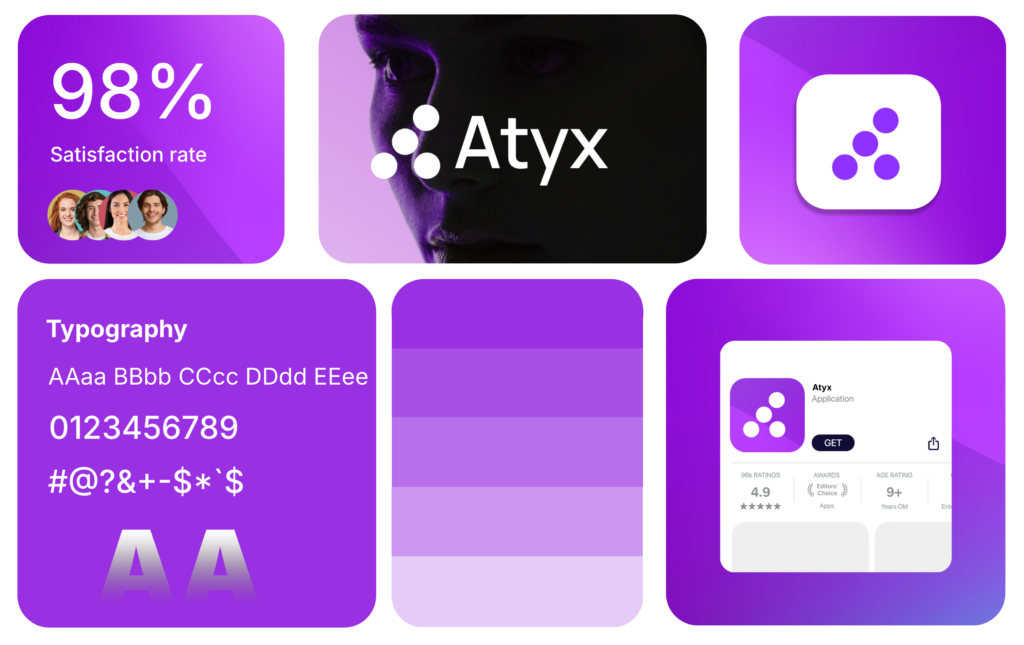
First, a logo system, not just a single file. That means variations for different contexts: a full logo, a mark or icon for app icons and favicons, and versions that work on light and dark backgrounds. If you want to know more about the timeline for a logo you can read here : How long does it take to design a logo?
Then, a color palette with defined roles, not just “here are five colors we liked.” This isn’t a minor detail: 75% of people recognize a brand primarily by its logo, and maintaining a consistent color palette across logos, content, and promotional materials can further increase recognition by another 80%. Primary, secondary, accent, and functional colors (success, error, warning) that map cleanly onto a SaaS product’s UI needs.
Typography that’s been chosen for screens, not print. SaaS products live in browsers and apps, and a typeface that looks elegant in a PDF can be a nightmare at 14px in a dashboard.
Brand guidelines that document how everything fits together, so when your developer needs to pick a hex code or your marketing hire needs to build a slide deck, they’re not guessing or pinging you on Slack. Read here the difference between logo vs brand identity.
The payoff for getting this right shows up in places founders don’t always expect. Brand-consistent navigation, messaging, and visual hierarchy have been linked to an average 28% reduction in bounce rate across SaaS and other digital products. A coherent identity isn’t just about looking polished, it changes how people behave once they land on your site.
And honestly, one thing worth being upfront about: a 48-hour identity system gives you the visual foundation, logo, colors, typography, guidelines, but it’s not a substitute for deep positioning and messaging strategy if you’re about to walk into enterprise sales cycles with multi-stakeholder buying committees. For that stage, you’re looking at a different kind of engagement entirely. Most founders, though, aren’t there yet. They’re trying to launch, look credible, and stop using a logo they made in Canva at 1am.
Think a logo is expensive ? See how much does it cost in 2026.
Brand identity for SaaS : getting started!
If you’ve read this far, you probably already know which bucket you’re in. You’re either early and need something solid to launch with, or you’re past that and need strategic work that costs what strategic work costs.
For the first group, that’s exactly what Brandframer is built for. Pick the $280 tier for a clean logo, $480 if you want the expanded system, or $987 for the full 360° package with everything mapped to your product and marketing needs. Either way, you’re not waiting weeks for a kickoff call. You send over your brand basics, and 48 hours later you have a system.