How long does it take to design a logo? Everything you need to know
 Jun 09,2026
It’s one of the first questions anyone asks when they start building a brand. You need a logo, you need it to look professional, and you need to know how long this is actually going to take. The answers you find online range from “a few hours” to “several months,” which isn’t particularly useful when you have a launch date, a pitch meeting, or a product that needs to ship.
So let’s answer it properly. How long does it take to design a logo, what happens during that time, and what’s the fastest way to get a result that actually works? Here’s everything a first-time buyer needs to know before committing to anything.
What a logo actually is (and what it needs to do) ?
Before talking about timelines, it’s worth being clear on what you’re actually asking someone to create. A logo is a visual mark that identifies your business at a glance. It can take several forms: a wordmark built entirely from styled typography, a lettermark using initials, a standalone symbol or icon, or a combination of a mark and text used together.
What all of these have in common is function. A logo needs to be instantly recognizable, work at any size from a browser favicon to a billboard, reproduce clearly in both color and black and white, and communicate something true about the business it represents before anyone reads a single word.
That last requirement is where most cheap, fast logos fail. A symbol that looks clean in isolation but communicates nothing specific, or worse, communicates the wrong thing, is a liability not an asset. The design process exists to close the gap between a mark that looks fine and a mark that actually works.
What the logo design process actually involves ?
Most people assume logo design is primarily a drawing exercise. It isn’t. Drawing is just one part of logo design, and it’s not even the most time-consuming part. Understanding what actually happens during a professional process explains why timelines vary so much across different options.
A proper logo design process moves through several distinct phases.
- It starts with a discovery and brief phase where the designer builds an understanding of the business: its positioning, its audience, its competitive context, and the visual territory it needs to own. This phase takes anywhere from a few hours for a focused brief to several days for a complex business with multiple stakeholders.
- Research and concept development come next. A professional designer studies the competitive landscape, identifies visual conventions in the category, and begins generating original directions. This is where the strategic thinking that separates a good logo from a generic one actually happens. A professional logo design typically takes anywhere from 10 to 30 hours of work, depending on the complexity, clarity of the brief, and number of revision rounds.
- Presentation and feedback follow. The designer presents initial concepts, explains the thinking behind each direction, and gathers structured feedback. Revision rounds then refine the chosen direction toward a final mark. And file preparation, the production of all required formats for digital and print use, closes out the project.
The timeline isn’t just about speed. It’s about how much thinking, strategy, and refinement goes into your logo. That’s the honest answer to why different options produce such different results in such different timeframes.
How long each option actually takes?
The timeline varies dramatically depending on who you hire and how the process is structured. Here’s what to realistically expect from each approach.
- DIY tools and logo makers: Tools like Canva and Looka can generate a logo in under an hour. The speed is real. But what you’re getting is a selection from a shared template library, not a custom mark built around your specific business. For testing a concept or building a placeholder, the speed is valuable. For a brand you’re planning to build something on, the limitations show up fast.
- Freelance designers: 1 to 3 weeks on average. A skilled freelancer working through a proper brief and revision process will typically deliver in one to three weeks. Fast or basic logos can be done in 1 to 3 days, a standard professional process runs 1 to 3 weeks, and full brand identity projects take 3 to 6 weeks or more. The actual timeline depends heavily on the designer’s current workload, the clarity of your brief, and how efficiently the feedback rounds move. Delays are common and rarely predictable. Ebaqdesign
- Crowdsourcing platforms: 1 to 2 weeks. Contest platforms like 99designs run seven-day contests by default, plus time for final revisions and file delivery. You’ll see a high volume of concepts, but the strategic depth of each submission is limited because designers are working speculatively without a proper brief process.
- Branding agencies: 4 to 12 weeks. Full-service agencies run comprehensive discovery processes, multiple stakeholder presentations, and extended revision cycles. The depth of thinking is real. The collaborative process between the designer and the client, including feedback, revisions, and decision-making, can significantly impact the overall timeline. For businesses at scale, that timeline is justified. For a founder who needs to launch, it’s simply not compatible with the pace of early-stage business. Teamtown
- Brandframer: 48 hours. This is where the timeline conversation changes entirely. Brandframer delivers a complete brand identity system, not just a logo file, in 48 hours. Professional designers, a structured brief process, original custom work, and full deliverables. Starting at $280. The 48-hour timeline isn’t a compromise on quality. It’s a process built specifically to eliminate the parts of traditional design workflows that create delay without adding value.
What makes logo timelines longer than expected ?
If you’ve ever started a logo project thinking it would take a week and watched it stretch to six, you’re not alone. Five variables shape how long a logo project will actually take: the complexity of the business, the clarity of the brief, the number of revision rounds, stakeholder alignment, and the designer’s current availability.
Brief clarity is the one most buyers underestimate. A designer who receives a vague brief, “something modern and professional,” will produce concepts that don’t land, triggering more revision rounds, more back-and-forth, and a longer total timeline. The more specific you can be about your positioning, your audience, and the visual territory you want to occupy, the faster any design process moves.
Revision rounds are the second major variable. Every round of feedback adds days to the timeline. And feedback that isn’t specific, “I don’t really like it but I’m not sure why,” produces another round of guessing rather than refinement. Good revision feedback is specific: what’s working, what isn’t, and why.
Stakeholder alignment matters more than most founders expect. A solo founder can approve a direction in minutes. A team of four with different aesthetic preferences and no shared brief can extend a logo project by weeks without any single person being difficult.
The solution to all three is the same: a structured brief and process before a single concept is drawn. That’s what separates a 48-hour project from a 4-week one.
Timeline and budget are usually decided together. Here’s what a logo costs in 2026 so you have both sides of the equation.
What you should receive when the logo is done ?
A logo deliverable isn’t just a file. Knowing what to ask for before you start a project saves significant time and money later.
At minimum, a professional logo delivery should include vector source files in AI, EPS, and SVG formats, which can be scaled to any size without quality loss. PNG files with transparent backgrounds for digital use. Both color and black-and-white versions. And at least two configurations: a horizontal lockup and a stacked or icon-only version for contexts where space is limited.
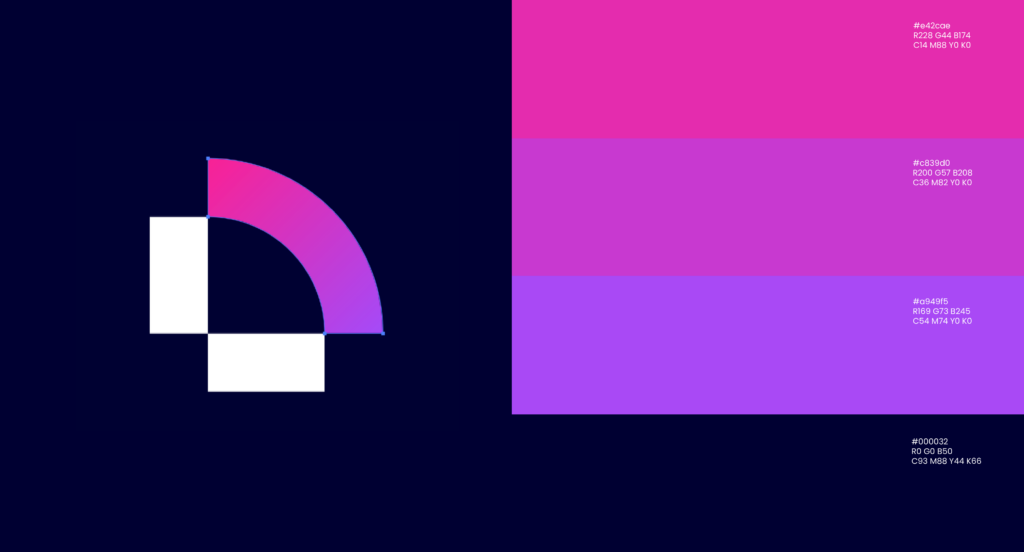
A complete brand identity delivery goes further: it includes a defined color palette with hex, RGB, and CMYK codes, a typography system specifying which fonts are used and how, and basic usage guidelines that document how the logo should and shouldn’t be used across applications.
Without these, every new context, a new website, a new social profile, a new print run, becomes a problem to solve from scratch. With them, the brand stays consistent whether you’re handling it yourself or briefing an external team.
Brandframer’s deliverables cover all of this as standard across every plan. It’s the difference between receiving a mark and receiving a system. Also, if you’re scoping a full rebrand rather than just a logo, this guide to brand identity helps you understand what’s actually involved.
You don’t need 4 weeks to get a professional logo
The traditional logo design timeline exists because of how traditional design workflows are structured: sequential phases, multiple rounds of in-person presentations, agency overhead, and client availability windows that rarely align cleanly. None of that is inherent to producing great work. It’s a process artifact, not a quality requirement.
Brandframer was built on that observation. A structured brief, professional designers working exclusively on brand identity, and a 48-hour delivery commitment. Starting at $280 for a complete brand identity system. No waiting weeks to see a first concept. No timeline uncertainty. No filing a brief and hoping the designer gets back to you by Thursday.
If you’re launching something, preparing a pitch, or simply done operating without a visual identity that actually reflects your business, 48 hours is all it takes.