Branding and website design packages: what’s actually inside them?
 Jul 01,2026
Most “branding and website design packages” you’ll find online sell you the idea that one team, one invoice, and one timeline covers everything from your logo to your live site. In practice, the two pieces rarely get equal attention. Agencies front-load the visual identity because it’s fast to produce, then stretch the website build over weeks because that’s where the real labor sits.
Brandframer works differently, and it’s worth being upfront about it. The brand identity system (logo, color palette, typography, brand guidelines) is delivered in 48 hours through one of three fixed plans. The website is a separate step, built through a trusted development partner once your identity is locked in. Two distinct products, deliberately, because bundling them into one vague promise usually means one half suffers.
So before you compare pricing tables, it helps to know what’s actually inside these packages, what’s filler, and what you genuinely can’t skip if you’re about to walk into investor meetings or launch a product people need to trust on sight.
What’s actually inside a branding and website design package?
Strip away the marketing language and a package like this covers two categories of work: identity design (logo, colors, type, guidelines) and website production (structure, layout, development). The mistake most founders make is assuming these move at the same speed or come from the same skillset. They don’t.
A logo can be designed, refined, and delivered in a couple of days once the direction is clear. A website that actually converts needs information architecture, wireframe, content, and development, which is a different discipline entirely and takes longer no matter who’s doing it.
Our article about brand identity packages breaks down what a proper identity system should include on its own, independent of any website scope.
Brandframer delivers the complete brand identity system in 48 hours: logo, color palette, typography, and full brand guidelines. Plans start at $280.
How much do branding and website design packages cost?
Identity work and website work are priced differently because they’re different kinds of labor. A solid brand identity system typically runs from a few hundred dollars to a few thousand, depending on how much strategy is baked in. A custom website build, done properly, usually starts higher and scales fast with the number of pages, custom functionality, and content needed.
When a package quotes one flat number for “branding and website,” ask what’s actually driving that price. It’s worth knowing before you sign, since it tells you where the agency’s real effort is going.
For the full pricing landscape by tier, discover out plans here.
Not sure which tier fits your stage? Brandframer’s three identity plans are built around exactly that question: $280 if you need the essentials, $480 if you want the full system, and $987 if you want brand strategy included. Compare them at brandframer.com.
What should be included in a brand identity package?
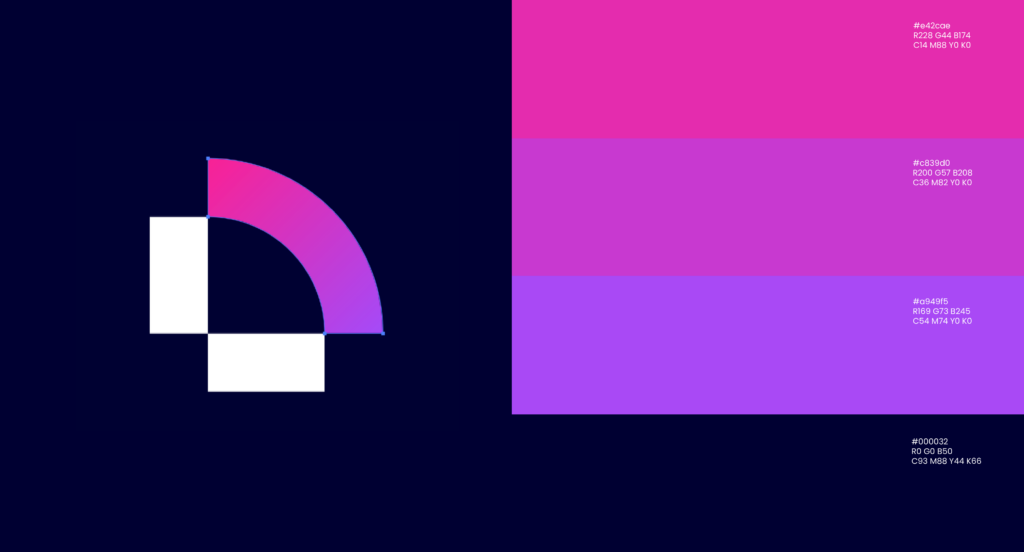
At minimum, a brand identity package should include a primary logo, logo variations for different use cases, a defined color palette with hex codes, typography selections, and a guidelines document that keeps all of it consistent once it leaves your hands and goes to a developer or a printer.
A founder who shows up to a pitch deck with a logo file and nothing else usually ends up with three shades of blue across their website, deck, and business cards within a few months, because nobody wrote down which blue was correct in the first place. Guidelines aren’t a nice-to-have, they’re what keeps the brand from drifting the moment more than one person touches it.
What are the 5 components of a web design package?
A complete web design package generally covers five things: information architecture (the site map and page structure), visual design (layout and styling), content or copywriting, development, and post-launch support for fixes and edits after the site goes live.
This is exactly why website work sits separately from identity work in Brandframer’s model. Once your logo, colors, and guidelines are locked in, that visual foundation gets handed to Brandframer’s development partner, who builds the site around it rather than guessing at brand direction mid-build. It’s a cleaner handoff than trying to design and build simultaneously under one rushed timeline.
Skip one of the five components above and the site tends to show it. Great copy on a poorly developed site loads slowly. A well-built site with no clear structure confuses visitors about where to click next. All five need to be there, in some form, for the site to actually do its job.
What is the 3-7-27 rule of branding, and should you care?
The 3-7-27 rule claims it takes three seconds to form a first impression of a brand, seven seconds to decide whether you trust it, and twenty-seven seconds before you’ve made a more considered judgment about quality.
Here’s the honest part most articles skip: there’s no rigorous study behind those exact numbers. It’s a memorable framework, not a peer-reviewed finding. What it gets right, even with made-up seconds, is the underlying point, which real research on first impressions does support: people judge visual credibility fast, well before they read a word of your copy.
So treat it as a reminder to prioritize clarity and consistency in your identity system, not as a literal stopwatch. It’s also exactly why getting the identity right before the website gets built matters. A visitor forms a judgment about your site before they’ve read the headline, and that judgment is built on the brand foundation underneath it.
Should branding and website design come from the same team?
Not necessarily, and that’s not a compromise, it’s often the better structure. Identity work benefits from speed and a tight, opinionated process. Website work benefits from a team that specializes in build quality, performance, and the technical details that make a site actually fast and functional.
Brandframer’s model splits the two deliberately. The identity system comes first, delivered in 48 hours through one of three plans, because that’s the foundation everything else gets built on. Once it’s locked in, the website is handled through a trusted development partner who works from that finished identity rather than designing on the fly.
This sequencing solves the timing problem too. If you need a credible identity now for a pitch deck or a launch, you’re not stuck waiting on a full website timeline to get it. The site becomes its own next step, scoped properly once you actually know what you’re building.
The bottom line on branding and website design packages
The strongest version of “branding and website design packages” isn’t one team doing both things at once under time pressure. It’s identity work done fast and right, followed by a website built on a foundation that’s already settled.
Start with what you need to solve this quarter. If that’s credibility fast, the identity system comes first, every time.
Brandframer delivers a complete brand identity system in 48 hours: logo, color palette, typography, and brand guidelines. Plans start at $280, with no retainer and no surprise invoices. Once your identity is locked in, website design is available through Brandframer’s development partner.